
Blue Apron
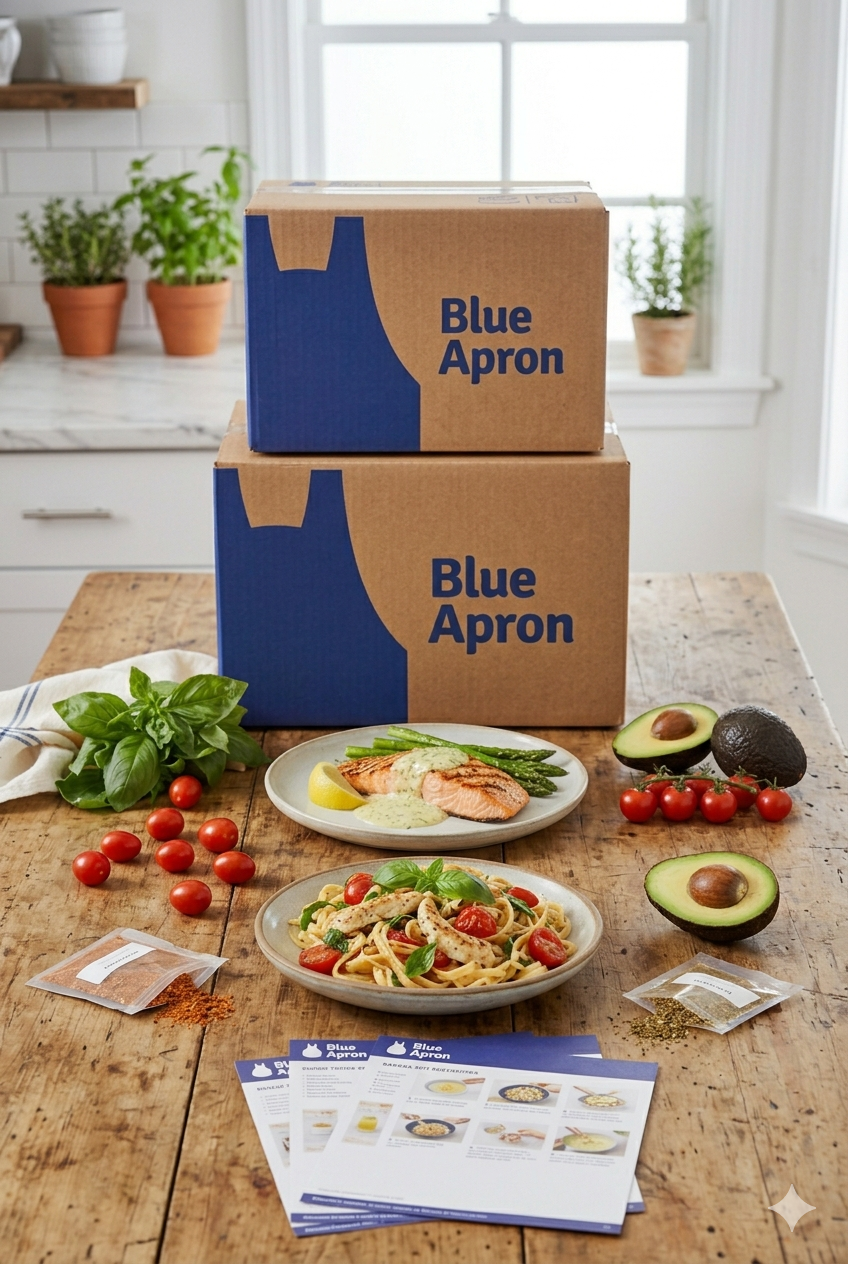
The Complete Guide to Blue Apron: How the Brand Helped Revolutionize Meal Kit Delivery
Introduction
Blue Apron is one of the pioneering companies that helped popularize meal kit delivery services across the United States. By combining fresh ingredients, chef-designed recipes, and convenient home delivery, the company transformed how many people approach cooking at home.
For years, consumers struggled with:
-
Grocery shopping fatigue
-
Repetitive meal planning
-
Food waste
-
Limited cooking confidence
-
Busy schedules
Blue Apron introduced a solution that simplified home cooking while still giving people the experience of preparing fresh meals themselves. Instead of spending hours planning recipes and shopping for ingredients, customers could receive carefully portioned meal kits delivered directly to their doors.
The company became especially popular among:
-
Busy professionals
-
Couples
-
Small families
-
Beginner home cooks
-
Food enthusiasts wanting recipe variety
Today, Blue Apron continues competing in the growing meal kit industry by focusing on culinary creativity, premium ingredients, and flexible subscription options.
This complete guide explores Blue Apron’s history, how the service works, meal plans, pricing, strengths, weaknesses, comparisons with competitors, and why the brand remains an important name in modern home dining.
The History of Blue Apron
Blue Apron was founded in 2012 in New York City during the early growth phase of the meal kit industry.
The company’s name comes from the traditional blue aprons worn by culinary apprentices, symbolizing learning and cooking craftsmanship.
Blue Apron’s original vision focused on:
-
Making home cooking easier
-
Introducing people to new recipes
-
Reducing food waste
-
Improving ingredient accessibility
The service quickly gained attention because it offered:
-
Pre-portioned ingredients
-
Step-by-step recipes
-
Restaurant-inspired meals
-
Convenient delivery
At a time when food delivery apps and takeout culture were growing rapidly, Blue Apron positioned itself as a healthier and more interactive alternative to restaurant ordering.
The company experienced rapid growth and became one of the first major meal kit brands to achieve national recognition.
Over time, Blue Apron expanded into:
-
Premium meal kits
-
Wellness-focused meals
-
Heat-and-eat options
-
Wine pairings
-
Seasonal menus
Today, the company continues evolving alongside changing consumer dining habits.
How Blue Apron Works
Blue Apron simplifies meal preparation into a structured process.
Step 1: Choose a Meal Plan
Customers select meal preferences based on:
-
Household size
-
Number of meals per week
-
Dietary preferences
-
Cooking goals
Step 2: Select Recipes
Blue Apron provides rotating weekly menus featuring:
-
International cuisine
-
Vegetarian meals
-
Wellness recipes
-
Comfort foods
-
Premium dishes
Customers choose meals they want delivered.
Step 3: Receive Ingredient Delivery
Ingredients arrive in insulated packaging designed to maintain freshness.
Meal kits typically include:
-
Fresh produce
-
Measured spices
-
Sauces
-
Proteins
-
Recipe cards
Step 4: Cook at Home
Customers follow detailed instructions to prepare meals themselves.
Recipes are designed to guide users step-by-step through the cooking process.
Why Blue Apron Became So Popular
Several major factors contributed to Blue Apron’s success.
1. Convenience
The service eliminates:
-
Grocery shopping
-
Ingredient measuring
-
Weekly meal planning
2. Culinary Exploration
Blue Apron became known for introducing customers to:
-
New cuisines
-
Unique ingredients
-
Restaurant-inspired techniques
3. Reduced Food Waste
Pre-portioned ingredients help reduce excess unused food.
4. Home Cooking Experience
Unlike fully prepared meal services, Blue Apron still allows users to participate in cooking.
5. Flexible Subscription Model
Customers can:
-
Skip deliveries
-
Pause subscriptions
-
Modify meal selections
-
Cancel anytime
Blue Apron Meal Plans Explained
Blue Apron offers several meal categories for different lifestyles.
Signature Plan
The Signature Plan includes a broad variety of chef-inspired meals.
Popular options include:
-
Pasta dishes
-
Rice bowls
-
Chicken meals
-
Seafood recipes
-
Vegetarian dishes
Wellness Plan
This plan focuses on:
-
Balanced nutrition
-
Lower-calorie meals
-
High-quality ingredients
Vegetarian Options
Vegetarian meals often include:
-
Plant-based proteins
-
Seasonal vegetables
-
International flavors
Family-Friendly Meals
These meals are designed to appeal to broader household tastes with:
-
Familiar ingredients
-
Simple preparation
-
Balanced portions
Premium Recipes
Blue Apron also offers upgraded premium dishes featuring:
-
Higher-end proteins
-
Gourmet ingredients
-
More advanced recipes
Blue Apron’s Culinary Style
One feature that distinguishes Blue Apron from competitors is its culinary focus.
The company often emphasizes:
-
Flavor complexity
-
Cooking techniques
-
Global cuisine inspiration
-
Ingredient education
Recipes may introduce users to:
-
Specialty sauces
-
Fresh herbs
-
International spices
-
Unique vegetables
-
Advanced cooking methods
This educational approach appeals strongly to food enthusiasts and aspiring home cooks.
Blue Apron and Cooking Education
Many customers use Blue Apron not only for convenience but also to improve cooking skills.
Users often learn:
-
Knife techniques
-
Sauce preparation
-
Protein cooking
-
Flavor balancing
-
Meal timing
For beginner cooks, the structured instructions help reduce intimidation while building kitchen confidence.
Over time, many users begin recreating favorite recipes independently.
Blue Apron Pricing and Value
Pricing varies depending on:
-
Meal quantity
-
Serving size
-
Premium selections
-
Delivery fees
Meal kits generally cost more than buying groceries independently, but many customers value:
-
Time savings
-
Convenience
-
Recipe variety
-
Reduced food waste
For households that frequently order restaurant takeout, meal kits may offer better value.
Pros of Blue Apron
1. Chef-Inspired Recipes
Blue Apron recipes often feel more culinary-focused than standard meal kits.
2. Recipe Variety
Rotating menus help prevent repetitive meals.
3. Convenient Meal Planning
Customers spend less time deciding what to cook.
4. Portion Control
Measured ingredients help reduce waste and overeating.
5. Cooking Skill Development
Recipes can improve home cooking abilities over time.
6. Flexible Scheduling
Users can pause or skip deliveries when needed.
Cons of Blue Apron
1. More Expensive Than Grocery Shopping
Meal kits cost more than traditional home cooking from scratch.
2. Cooking Still Required
Users must still prepare the meals themselves.
3. Packaging Waste
Meal kits generate packaging materials for freshness and transportation.
4. Time Commitment
Some recipes take longer than expected to prepare.
5. Limited Customization
Customers with highly specific dietary restrictions may find fewer options.
Blue Apron vs Other Meal Kit Services
Blue Apron vs HelloFresh
Blue Apron Strengths
-
More gourmet-style recipes
-
Strong culinary focus
-
Ingredient education
HelloFresh Strengths
-
Simpler preparation
-
Family-friendly focus
-
Faster cooking times
Blue Apron vs Home Chef
Blue Apron Advantages
-
More adventurous recipes
-
Better culinary variety
Home Chef Advantages
-
Easier customization
-
More oven-ready meals
Blue Apron vs Factor
Blue Apron Advantages
-
Fresh cooking experience
-
Interactive meal preparation
Factor Advantages
-
Fully prepared meals
-
No cooking required
Is Blue Apron Good for Beginners?
Yes, although some recipes can feel slightly more advanced compared to simpler competitors.
Benefits for beginners include:
-
Detailed instructions
-
Ingredient exposure
-
Cooking education
-
Skill development
However, users completely unfamiliar with cooking may initially prefer faster and simpler meal services.
Blue Apron for Food Enthusiasts
Food lovers often appreciate Blue Apron because the recipes:
-
Explore global flavors
-
Introduce new ingredients
-
Encourage cooking creativity
Many meals feel more restaurant-inspired than standard weeknight dinners.
This culinary emphasis helps Blue Apron stand out in the crowded meal kit market.
Blue Apron for Busy Professionals
Busy professionals benefit from:
-
Reduced grocery shopping
-
Simplified meal planning
-
Structured weekly cooking
-
Convenient home dining
The service offers a middle ground between:
-
Full meal preparation
-
Restaurant delivery
Sustainability and Environmental Efforts
Blue Apron has invested in sustainability initiatives such as:
-
Reducing food waste
-
Sustainable sourcing
-
Improved packaging efficiency
Meal kits may reduce household food waste because ingredients are carefully portioned.
However, packaging waste remains a common concern across the meal kit industry.
Health and Nutrition
Blue Apron offers meals designed around:
-
Balanced portions
-
Fresh ingredients
-
Protein variety
-
Vegetable-rich recipes
The company also provides nutritional information for customers monitoring:
-
Calories
-
Protein intake
-
Carbohydrates
-
Dietary balance
Common Customer Complaints
Although Blue Apron remains popular, customers sometimes report concerns such as:
-
Shipping delays
-
Ingredient freshness issues
-
Packaging waste
-
Recipe complexity
-
Pricing concerns
Customer experiences can vary based on:
-
Region
-
Delivery logistics
-
Seasonal demand
Who Should Use Blue Apron?
Blue Apron is ideal for:
-
Food enthusiasts
-
Beginner cooks
-
Couples
-
Busy professionals
-
People wanting recipe variety
-
Users interested in cooking education
It may be less ideal for:
-
Extremely tight budgets
-
Very large households
-
People wanting zero cooking effort
Tips for Getting the Most From Blue Apron
1. Choose Meals Based on Your Schedule
Select quicker recipes during busy weeks.
2. Save Favorite Recipe Cards
Many meals can be recreated independently later.
3. Experiment With Techniques
Blue Apron recipes can help expand cooking abilities.
4. Customize Meals at Home
Adding extra vegetables or seasonings can personalize dishes.
5. Monitor Delivery Settings
Managing subscription timing helps avoid unwanted shipments.
Blue Apron and Modern Food Culture
Blue Apron helped shape broader trends in:
-
Home cooking
-
Subscription food services
-
Convenience dining
-
Meal planning technology
The company played a major role in normalizing meal kits as a mainstream food category.
Its influence also encouraged consumers to:
-
Explore global cuisine
-
Cook more frequently
-
Reduce restaurant dependency
The Future of Blue Apron
The future of Blue Apron will likely include:
-
More prepared meal options
-
Improved personalization
-
Expanded dietary customization
-
Sustainability improvements
-
Faster delivery logistics
As consumer demand for convenience and home dining continues growing, meal kits remain an important segment of the food industry.
Blue Apron may continue blending:
-
Culinary education
-
Convenience
-
Premium home dining experiences
Frequently Asked Questions About Blue Apron
Is Blue Apron worth the cost?
For many users, the convenience and recipe variety justify the price.
Do you cook meals yourself?
Yes. Blue Apron provides ingredients and instructions, but customers prepare the meals.
Is Blue Apron beginner-friendly?
Yes, though some recipes are slightly more advanced than simpler meal kits.
Can you skip deliveries?
Yes. Customers can skip or pause shipments.
Does Blue Apron reduce food waste?
Pre-portioned ingredients may help reduce household food waste.
Final Thoughts
Blue Apron remains one of the most influential meal kit companies in modern food culture. By combining convenience, culinary creativity, and fresh ingredients, the company helped redefine how many people approach home cooking.
Its biggest strengths include:
-
Chef-inspired recipes
-
Cooking education
-
Recipe variety
-
Convenient meal planning
-
Ingredient quality
Although meal kits may not completely replace traditional grocery shopping, Blue Apron offers a compelling solution for consumers seeking a balance between restaurant-quality meals and home cooking convenience.
Whether someone wants to improve cooking skills, explore new cuisines, reduce takeout spending, or simplify weekly dinners, Blue Apron provides an approachable and engaging cooking experience.
For many users, the service represents more than just meal delivery — it serves as a gateway into more confident, creative, and enjoyable home cooking.