
Booking.com
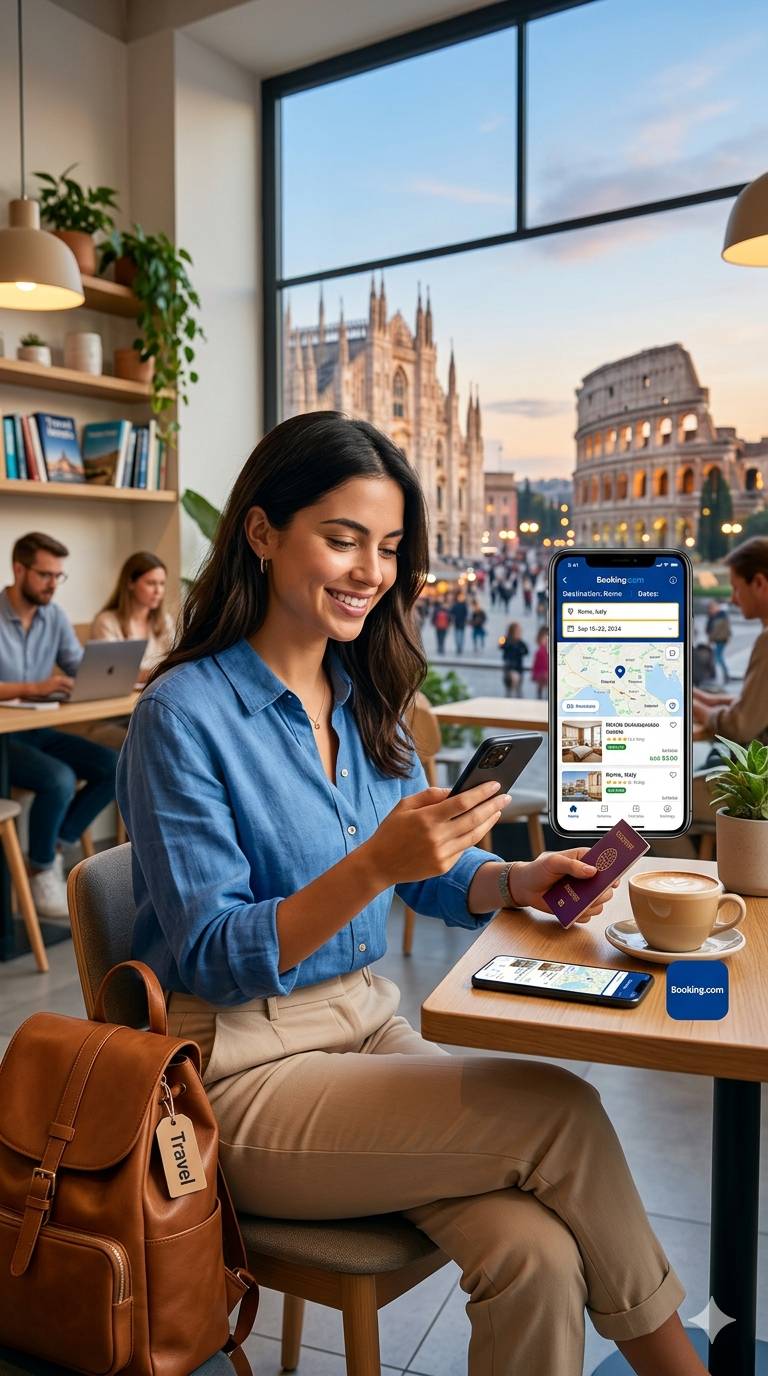
The Complete Guide to Booking.com: How the World’s Leading Travel Platform Simplifies Trip Planning
Introduction
Booking.com is one of the most widely used online travel platforms in the world, helping millions of travelers find and reserve accommodations, flights, rental cars, and travel experiences. Whether someone is planning a luxury vacation, a budget-friendly weekend trip, or a long-term business stay, Booking.com has become a central hub for comparing options and securing travel arrangements quickly.
In a world where travel planning can feel overwhelming—due to thousands of hotel options, fluctuating prices, and endless reviews—Booking.com simplifies the process by bringing everything into one platform.
The service is especially popular among:
-
Solo travelers
-
Families on vacation
-
Business travelers
-
Budget backpackers
-
Luxury holiday planners
-
Digital nomads
This complete guide explores Booking.com’s history, how it works, features, benefits, pricing model, pros and cons, comparisons with competitors, and why it remains one of the most powerful tools in modern travel planning.
The History of Booking.com
Booking.com was founded in 1996 in Amsterdam, Netherlands, during the early days of online travel booking.
Originally, the platform focused on helping users reserve hotels online at a time when most bookings were still made by phone or travel agents.
A major turning point came in 2005 when Booking.com was acquired by Priceline Group (now known as Booking Holdings), a move that accelerated its global expansion.
Since then, the platform has grown into one of the largest travel marketplaces in the world, offering millions of properties across countries and regions.
Today, Booking.com includes:
-
Hotels
-
Apartments
-
Villas
-
Resorts
-
Hostels
-
Vacation rentals
-
Flights
-
Rental cars
-
Travel experiences and activities
Its growth reflects the shift toward digital-first travel planning.
How Booking.com Works
Booking.com operates as a travel marketplace connecting users with property owners and service providers.
Step 1: Search for Travel Options
Users enter:
-
Destination
-
Travel dates
-
Number of guests
The platform then displays available listings.
Step 2: Compare Listings
Each listing includes:
-
Price
-
Location
-
Photos
-
Amenities
-
Guest reviews
-
Cancellation policies
Step 3: Make a Reservation
Users can book directly through the platform with instant confirmation in most cases.
Step 4: Manage Booking
Travelers can:
-
Modify reservations
-
Cancel bookings (depending on policy)
-
Contact property owners
-
Add special requests
Types of Accommodation on Booking.com
One of Booking.com’s biggest strengths is its wide variety of lodging options.
Hotels
Traditional hotel stays ranging from budget to luxury.
Includes:
-
Business hotels
-
Boutique hotels
-
Luxury resorts
-
Chain hotels
Apartments
Fully furnished rental units for:
-
Families
-
Long stays
-
Travelers wanting home-like comfort
Villas and Vacation Homes
Ideal for:
-
Group travel
-
Private stays
-
Luxury vacations
Hostels
Budget-friendly shared accommodations popular with backpackers.
Resorts
All-inclusive or semi-inclusive properties often located in tourist destinations.
Unique Stays
Includes:
-
Treehouses
-
Cabins
-
Boats
-
Glamping tents
-
Historic buildings
Key Features of Booking.com
1. Wide Selection
Millions of properties across the globe provide extensive travel options.
2. User Reviews
Verified guest reviews help travelers make informed decisions.
3. Flexible Booking Options
Many listings offer:
-
Free cancellation
-
Pay later options
-
No prepayment deals
4. Price Comparison
Users can compare prices across different property types instantly.
5. Filters and Customization
Search filters allow users to refine results based on:
-
Price range
-
Star rating
-
Amenities (Wi-Fi, breakfast, pool, etc.)
-
Location preferences
6. Mobile App Convenience
The mobile app allows users to:
-
Book on the go
-
Access digital confirmations
-
Receive travel alerts
Why Booking.com Became So Popular
Several factors contributed to its global dominance.
1. Convenience
It eliminates the need to contact hotels individually.
2. Transparency
Users can see reviews, photos, and pricing upfront.
3. Global Reach
The platform operates in nearly every major travel destination.
4. Flexible Policies
Many listings allow free cancellation and flexible payment options.
5. Competitive Pricing
The marketplace model encourages price competition among properties.
Booking.com for Different Types of Travelers
Budget Travelers
Budget users benefit from:
-
Hostels
-
Discounted hotels
-
Last-minute deals
Luxury Travelers
Luxury users can access:
-
5-star hotels
-
Private villas
-
Premium resorts
Business Travelers
Features helpful for business trips:
-
Central locations
-
Reliable hotels
-
Flexible booking options
Families
Families benefit from:
-
Apartments with kitchens
-
Large rooms
-
Family-friendly amenities
Solo Travelers
Solo travelers often use:
-
Hostels
-
Small hotels
-
Budget apartments
Booking.com vs Other Travel Platforms
Booking.com vs Airbnb
Booking.com Advantages
-
More hotel options
-
Instant booking
-
Easier comparison of multiple listings
Airbnb Advantages
-
Unique home stays
-
Local experiences
-
Strong peer-to-peer hosting model
Booking.com vs Expedia
Booking.com Strengths
-
Larger global inventory
-
More accommodation variety
-
Stronger hotel focus
Expedia Strengths
-
Bundled flight + hotel deals
-
Loyalty rewards system
Booking.com vs Agoda
Booking.com Advantages
-
Broader global reach
-
More property types
Agoda Advantages
-
Strong presence in Asia
-
Often competitive hotel pricing in specific regions
Pros of Booking.com
1. Massive Global Inventory
Millions of listings across almost every travel destination.
2. Easy-to-Use Platform
Simple search and booking process.
3. Flexible Cancellation Options
Many properties offer free cancellation.
4. Verified Reviews
Helps users make informed decisions.
5. Wide Price Range
Options available for every budget.
Cons of Booking.com
1. Service Fees May Apply
Some bookings include additional charges.
2. Quality Varies by Listing
Because it is a marketplace, experiences differ widely.
3. Customer Service Depends on Property
Support often involves the property itself rather than Booking.com directly.
4. Overwhelming Choices
The large number of listings can sometimes make decision-making difficult.
Booking.com Pricing Model
Booking.com does not directly own most properties. Instead, it earns revenue through:
-
Commissions from bookings
-
Advertising from property owners
-
Featured listing placements
This model allows users to often find competitive pricing, as properties compete for visibility.
Safety and Trust Features
To improve trust, Booking.com includes:
-
Verified guest reviews
-
Secure payment systems
-
Property verification processes
-
Fraud detection systems
These systems help reduce risks associated with online bookings.
Booking.com and Travel Planning
Booking.com has become more than just a hotel booking site. It now functions as a complete travel planning tool.
Users can:
-
Book accommodations
-
Reserve flights
-
Rent cars
-
Find attractions and tours
This makes it a one-stop platform for trip planning.
Mobile Experience
The Booking.com mobile app enhances travel convenience by offering:
-
Instant booking confirmation
-
Digital check-in options
-
Offline access to reservations
-
Real-time notifications
This is especially useful for international travelers.
Sustainability and Responsible Travel
Booking.com promotes sustainability through:
-
Eco-friendly property labeling
-
Support for sustainable tourism practices
-
Encouraging responsible travel choices
Many listings now include sustainability badges to help eco-conscious travelers make informed decisions.
Common User Experiences
Positive Feedback
-
Easy booking process
-
Wide selection of accommodations
-
Helpful reviews
-
Flexible cancellation options
Negative Feedback
-
Inconsistent property quality
-
Communication issues with some hosts
-
Additional fees in certain cases
Tips for Using Booking.com Effectively
1. Use Filters
Narrow down results based on your needs.
2. Read Recent Reviews
Focus on recent guest experiences.
3. Check Cancellation Policies
Ensure flexibility in case plans change.
4. Compare Multiple Listings
Avoid booking the first option you see.
5. Use Map View
Helps identify the best location for your stay.
Who Should Use Booking.com?
Booking.com is ideal for:
-
International travelers
-
Families planning vacations
-
Business travelers
-
Budget travelers
-
Luxury vacation planners
It may be less ideal for:
-
Travelers wanting highly personalized homestays
-
Users preferring direct hotel booking relationships
The Future of Booking.com
The platform is expected to continue expanding into:
-
AI-powered travel recommendations
-
More personalized trip planning
-
Enhanced mobile booking tools
-
Sustainable travel initiatives
-
Integrated travel experiences
As travel continues to evolve digitally, Booking.com is positioned to remain a major global leader.
Frequently Asked Questions About Booking.com
Is Booking.com reliable?
Yes, it is one of the most widely used and trusted travel platforms globally.
Can you cancel bookings on Booking.com?
Many listings offer free cancellation, but policies vary.
Does Booking.com charge fees?
The platform may include service fees depending on the booking.
Is Booking.com better than Airbnb?
It depends—Booking.com is better for hotels and variety, while Airbnb focuses on unique home stays.
Can you book flights on Booking.com?
Yes, in addition to accommodations, the platform offers flights and rental cars.
Final Thoughts
Booking.com has become one of the most important platforms in global travel by making it easier for people to find, compare, and book accommodations anywhere in the world.
Its biggest strengths include:
-
Massive selection of properties
-
Easy booking process
-
Flexible cancellation options
-
Global accessibility
-
Transparent reviews
While it is not without limitations, its convenience and scale make it a go-to tool for millions of travelers every day.
Whether planning a weekend getaway, a business trip, or an international vacation, Booking.com simplifies the process of finding the right place to stay—helping travelers focus more on the journey and less on the logistics.