
Magic Spoon
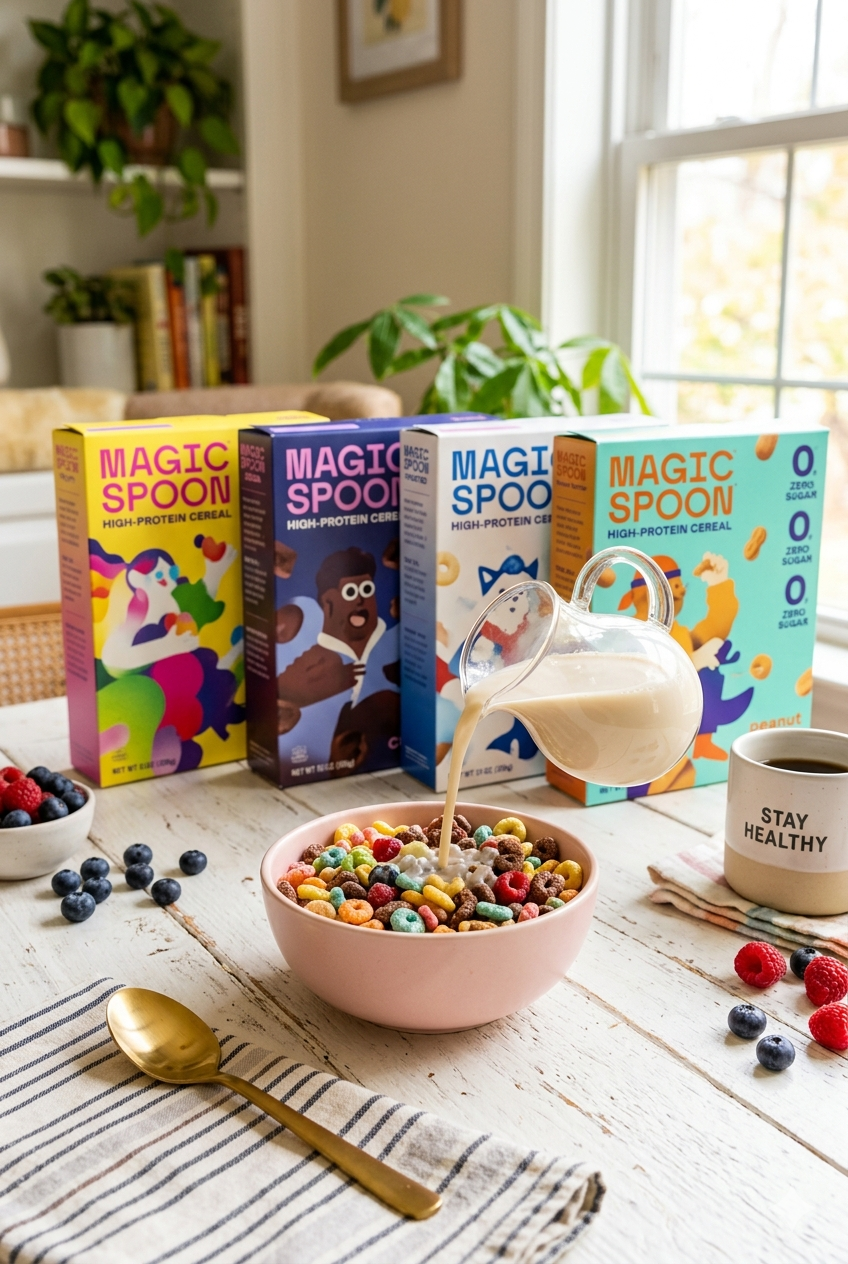
The Complete Guide to Magic Spoon: High-Protein Cereal for Modern Breakfast Lovers
Introduction
Magic Spoon has quickly become one of the most talked-about breakfast brands in the modern health food space. By reinventing classic childhood cereals with a high-protein, low-carb, and low-sugar formula, the company has carved out a unique niche for people who want healthier breakfast options without giving up the nostalgic taste of cereal.
For decades, traditional cereals were often:
-
High in sugar
-
Low in protein
-
Highly processed
-
Lacking long-lasting energy
Magic Spoon entered the market with a different idea: what if cereal could taste like the classics people grew up with, but with a nutrition profile better suited for adults, fitness enthusiasts, and health-conscious eaters?
The result is a cereal brand that blends nostalgia with modern nutrition science, offering flavors inspired by childhood favorites but designed for today’s dietary needs.
Magic Spoon has become especially popular among:
-
Fitness-focused individuals
-
Keto and low-carb dieters
-
Busy professionals
-
Health-conscious families
-
People reducing sugar intake
-
Snack lovers seeking better alternatives
This complete guide explores Magic Spoon’s origin, product lineup, ingredients, nutritional benefits, pricing, pros and cons, comparisons with traditional cereal brands, and why it has become a major disruptor in the breakfast industry.
The History of Magic Spoon
Magic Spoon was founded in 2019 by Gabi Lewis and Greg Sewitz, entrepreneurs with backgrounds in food innovation.
The founders noticed a gap in the breakfast market:
-
People loved cereal
-
But many avoided it due to sugar and nutrition concerns
Instead of abandoning cereal entirely, they aimed to recreate it in a healthier format.
Their goal was to:
-
Reduce sugar dramatically
-
Increase protein content
-
Maintain classic cereal flavors
-
Appeal to both adults and kids
Magic Spoon launched as a direct-to-consumer brand, primarily sold online through subscription and retail partnerships.
The brand quickly gained attention through:
-
Social media marketing
-
Influencer promotion
-
Nostalgic branding
-
Health-focused positioning
Today, Magic Spoon has expanded into retail stores and continues growing as a leading alternative cereal brand.
What Makes Magic Spoon Different?
Magic Spoon stands out because it reimagines cereal from the ground up.
1. High Protein Content
Each serving typically contains significantly more protein than traditional cereals, making it more filling and balanced.
2. Zero or Low Sugar
One of the brand’s biggest selling points is its extremely low sugar content compared to mainstream cereals.
3. Low Carb Formula
Magic Spoon is designed to fit into low-carb and keto-friendly diets.
4. Nostalgic Flavors
The cereals are inspired by childhood favorites like:
-
Fruity cereal
-
Cocoa cereal
-
Frosted-style cereal
-
Peanut butter flavors
5. Grain-Free Recipe
Unlike traditional cereals made with wheat or corn, Magic Spoon uses alternative ingredients to achieve its nutrition profile.
Magic Spoon Ingredients and Nutrition
Magic Spoon cereals are built around a blend of alternative ingredients designed to reduce carbs and sugar while maintaining taste and texture.
Common components include:
-
Milk protein blend
-
Tapioca starch
-
Natural sweeteners
-
Cocoa powder (for chocolate flavors)
-
Fruit flavoring systems
Nutritional Highlights (Typical Serving)
While exact values vary by flavor, Magic Spoon generally offers:
-
High protein per serving
-
Very low sugar
-
Moderate fat content
-
Low net carbs
This makes it popular among:
-
Keto dieters
-
Low-sugar lifestyles
-
Fitness enthusiasts
Magic Spoon Flavor Lineup
One of Magic Spoon’s biggest strengths is its flavor variety.
Fruity Flavor
Inspired by classic fruit cereals, this version delivers a sweet, nostalgic taste without high sugar levels.
Cocoa Flavor
A chocolate-based cereal designed for those who love rich, dessert-like breakfasts.
Frosted Flavor
A sweeter, vanilla-style cereal reminiscent of frosted childhood cereals.
Peanut Butter Flavor
A more indulgent option with nutty richness.
Seasonal and Limited Editions
Magic Spoon frequently introduces:
-
Seasonal flavors
-
Limited-time releases
-
Collaboration-based products
This keeps the product lineup fresh and engaging.
Why Magic Spoon Became So Popular
Several key factors contributed to its rapid rise.
1. Nostalgia Factor
Many adults grew up eating sugary cereals and wanted a healthier version of those experiences.
2. Health-Conscious Trends
As consumers became more aware of sugar intake, demand grew for better breakfast alternatives.
3. Keto and Low-Carb Diets
Magic Spoon fits neatly into popular dietary lifestyles focused on reducing carbohydrates.
4. Direct-to-Consumer Marketing
The brand grew rapidly through online marketing, subscriptions, and social media engagement.
5. Convenience
Cereal remains one of the easiest breakfast options, and Magic Spoon preserves that simplicity.
Magic Spoon vs Traditional Cereal
Traditional Cereal
Most conventional cereals are:
-
High in sugar
-
Low in protein
-
Made with refined grains
-
Less filling
Magic Spoon
Magic Spoon offers:
-
Higher protein content
-
Minimal sugar
-
Lower carbohydrates
-
More balanced nutrition
While traditional cereals may offer lower prices, Magic Spoon focuses on functional nutrition.
Magic Spoon vs Protein Bars and Breakfast Alternatives
Protein Bars
Protein bars often provide similar nutritional benefits but can feel heavy or dense.
Eggs and Whole Foods
Whole food breakfasts are nutritious but require more preparation time.
Smoothies
Smoothies offer flexibility but may lack the crunch and convenience of cereal.
Magic Spoon positions itself as a middle ground:
-
Fast like cereal
-
Nutritious like protein foods
-
Fun like traditional breakfast options
Pros of Magic Spoon
1. High Protein Breakfast Option
Helps support satiety and energy levels.
2. Low Sugar Content
Appeals to health-conscious consumers.
3. Easy Preparation
Just pour and eat.
4. Nostalgic Taste Experience
Designed to replicate childhood cereal flavors.
5. Diet-Friendly
Works for keto, low-carb, and high-protein diets.
6. Shelf Stable
Convenient pantry storage.
Cons of Magic Spoon
1. Higher Price
It is more expensive than conventional cereals.
2. Texture Differences
Some consumers notice a different texture compared to traditional cereal.
3. Sweetener Taste
Certain users may detect alternative sweeteners.
4. Not a Whole Food
It is still a processed food product, despite improved nutrition.
5. Subscription Model Influence
Some purchases are encouraged through subscription-based marketing.
Is Magic Spoon Healthy?
Magic Spoon is often considered healthier than traditional sugary cereals due to:
-
Higher protein content
-
Lower sugar levels
-
Reduced carbohydrate load
However, it is still:
-
A processed food product
-
Not a replacement for whole-food meals
It is best viewed as:
-
A convenient, improved cereal option
-
Not a complete nutritional solution
Magic Spoon for Fitness and Diet Plans
Magic Spoon is popular among:
-
Gym-goers
-
Keto dieters
-
Low-carb eaters
Benefits include:
-
Protein support for muscle recovery
-
Reduced sugar intake
-
Easy morning meal option
It can be especially useful for:
-
Busy mornings
-
Post-workout breakfasts
-
On-the-go nutrition
Magic Spoon for Families
Some families use Magic Spoon as a:
-
Healthier alternative for kids
-
Reduced-sugar breakfast option
-
Occasional treat cereal
However, it may not fully replace traditional cereals for all children due to taste preferences and price considerations.
Pricing and Value
Magic Spoon is positioned as a premium cereal product.
Factors affecting price include:
-
Ingredient quality
-
Protein formulation
-
Direct-to-consumer model
-
Brand positioning
While more expensive than grocery store cereals, customers often pay for:
-
Nutritional improvements
-
Convenience
-
Flavor variety
Customer Experience and Feedback
Common positive feedback includes:
-
Great flavor variety
-
Filling breakfast option
-
Reduced sugar cravings
-
Convenient consumption
Common criticisms include:
-
Cost concerns
-
Taste adjustment period
-
Texture differences from traditional cereal
Sustainability and Packaging
Magic Spoon uses packaging designed for:
-
Shelf stability
-
Product freshness
-
Shipping durability
Like many packaged food brands, environmental impact is an ongoing consideration, particularly regarding packaging materials and shipping logistics.
Who Should Eat Magic Spoon?
Magic Spoon is ideal for:
-
People reducing sugar intake
-
Fitness-focused individuals
-
Busy professionals
-
Keto or low-carb dieters
-
Adults seeking nostalgic cereal options
It may be less ideal for:
-
Budget-focused shoppers
-
Those preferring whole-food breakfasts
-
Individuals sensitive to alternative sweeteners
Tips for Enjoying Magic Spoon
1. Pair With Milk or Alternatives
Almond, oat, or dairy milk can enhance taste and texture.
2. Mix Flavors
Combining cereals can create custom flavor blends.
3. Add Fresh Fruit
Adds natural sweetness and nutritional balance.
4. Use as a Snack
It can also function as a crunchy snack outside breakfast.
The Future of Magic Spoon
The brand is likely to continue evolving with:
-
New flavors
-
Broader retail distribution
-
Improved formulations
-
Expanded snack products
As demand for healthier convenience foods grows, Magic Spoon is positioned to remain a strong player in the functional breakfast category.
Frequently Asked Questions About Magic Spoon
Is Magic Spoon actually healthy?
It is healthier than most sugary cereals due to higher protein and lower sugar, but it is still a processed food.
Does Magic Spoon taste like real cereal?
Many flavors are designed to closely resemble classic cereals, though texture differences exist.
Is Magic Spoon good for weight loss?
It can support weight management due to higher protein and lower sugar, depending on overall diet.
Can kids eat Magic Spoon?
Yes, but it depends on dietary preferences and nutritional goals.
Is Magic Spoon keto-friendly?
Yes, it is designed to fit low-carb and keto diets.
Final Thoughts
Magic Spoon has successfully redefined what cereal can be in the modern nutrition landscape. By combining nostalgic flavors with high-protein, low-sugar formulations, the brand offers a unique solution for people who want convenience without sacrificing dietary goals.
Its biggest strengths include:
-
High protein content
-
Low sugar formulation
-
Fun nostalgic flavors
-
Easy preparation
-
Diet-friendly design
While it may not replace traditional cereal for every consumer, it represents a significant shift toward more functional, health-conscious breakfast options.
For many people, Magic Spoon is more than just cereal—it is a modern reinterpretation of a childhood favorite designed for today’s nutritional expectations.