
Target
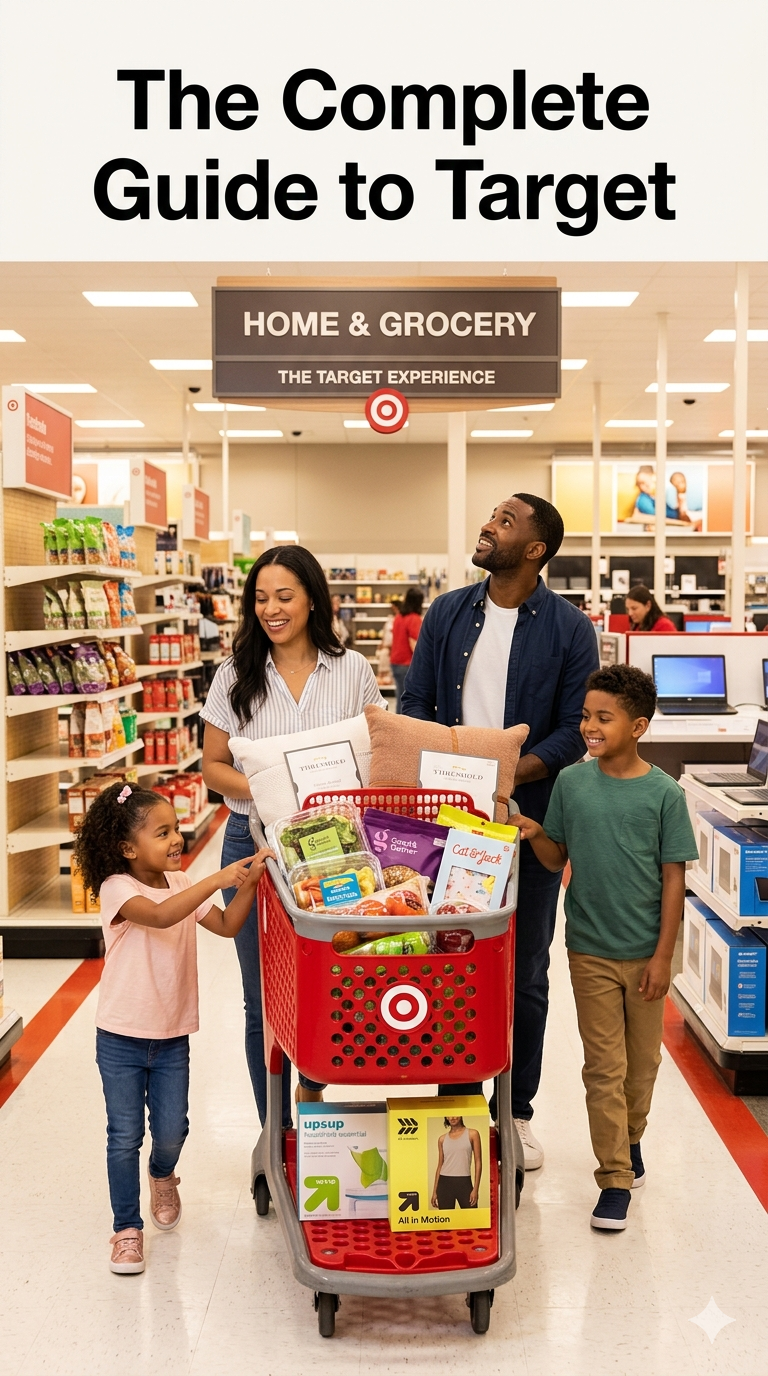
The Complete Guide to Target: How One Retail Giant Became a Modern Shopping Destination
Introduction
Target is one of the most recognizable retail brands in the United States, known for combining affordability, style, and convenience under one roof. Unlike traditional discount stores that focus purely on low prices, Target has built its identity around a more curated shopping experience—offering everything from groceries and clothing to home décor, electronics, and exclusive designer collaborations.
For millions of shoppers, Target is more than just a store. It’s a place where everyday essentials meet trend-driven products, often in an environment designed to feel cleaner, more organized, and more enjoyable than a typical big-box retailer.
Target is widely used by:
-
Families shopping for household essentials
-
Budget-conscious consumers
-
Style-focused shoppers
-
College students
-
Home decorators
-
Grocery shoppers looking for convenience
This guide explores Target’s history, business model, product categories, shopping experience, private labels, pricing strategy, pros and cons, competitors, and why it remains one of the most influential retailers in modern American consumer culture.
The History of Target
Target was founded in 1902 as part of the Dayton Company in Minneapolis, Minnesota. The first Target store opened in 1962 as a discount retail concept designed to offer quality products at lower prices than traditional department stores.
From the beginning, Target positioned itself differently from competitors by focusing not just on affordability, but also on design and customer experience.
Over time, the company expanded across the United States and became a major competitor to other retail giants like Walmart. A key part of its growth strategy was introducing private-label brands and redesigning stores to make shopping more enjoyable and visually appealing.
Today, Target operates hundreds of stores nationwide and has built a strong online shopping platform that complements its physical locations.
How Target Works
Target operates as a large-scale retail chain offering both in-store and online shopping.
Step 1: Browse Products
Customers can shop:
-
In physical stores
-
On the Target website
-
Through the Target mobile app
Step 2: Choose Delivery or Pickup
Target offers multiple fulfillment options:
-
In-store shopping
-
Drive Up (curbside pickup)
-
Same-day delivery (via Shipt in many areas)
-
Standard home delivery
Step 3: Purchase Products
Customers can buy a wide range of items, including groceries, clothing, electronics, and home goods.
Step 4: Return or Exchange
Target is known for its relatively simple return policies, making it easier for customers to shop with confidence.
Product Categories at Target
Target offers a broad selection of products across multiple categories.
1. Groceries and Essentials
Includes:
-
Fresh produce
-
Dairy products
-
Packaged foods
-
Snacks
-
Household essentials
Target has expanded significantly into grocery retail in recent years.
2. Clothing and Apparel
Target is known for affordable fashion, including:
-
Women’s, men’s, and kids’ clothing
-
Seasonal collections
-
Activewear
-
Shoes and accessories
3. Home and Furniture
Popular categories include:
-
Furniture
-
Kitchenware
-
Bedding
-
Home décor
-
Storage solutions
4. Electronics
Includes:
-
TVs
-
Laptops
-
Gaming consoles
-
Smart home devices
-
Accessories
5. Beauty and Personal Care
Offers:
-
Skincare products
-
Makeup
-
Hair care
-
Grooming essentials
6. Baby and Kids
Includes:
-
Baby formula and diapers
-
Toys
-
Clothing
-
Nursery essentials
Target Private Labels (Store Brands)
One of Target’s strongest strategies is its development of exclusive private-label brands.
These brands help Target:
-
Offer lower prices
-
Maintain product quality control
-
Differentiate from competitors
Popular Target Brands
-
Good & Gather – food and groceries
-
Cat & Jack – children’s clothing
-
Threshold – home décor
-
Up & Up – household essentials
-
All in Motion – activewear
-
Opalhouse – stylish home goods
These brands are a major reason customers return to Target for everyday shopping.
Why Target Became So Popular
Several key factors contributed to Target’s success.
1. “Affordable Style” Strategy
Target positioned itself as a stylish yet affordable retailer, unlike traditional discount stores.
2. Store Experience
Clean layouts, organized aisles, and modern design make shopping more pleasant.
3. Strong Private Brands
Exclusive products create loyalty and uniqueness.
4. Convenience
Multiple shopping and delivery options simplify the buying process.
5. Marketing and Collaborations
Target is known for designer partnerships that bring high-end fashion to mass retail at accessible prices.
Target vs Walmart
Target’s biggest competitor is Walmart.
Target Strengths
-
Better store design and aesthetics
-
Stronger private-label branding
-
More curated product selection
-
Fashion-forward collaborations
Walmart Strengths
-
Lower prices overall
-
Larger store footprint
-
Broader product availability
-
Strong grocery dominance
Target focuses more on experience and design, while Walmart focuses on cost efficiency.
Target vs Amazon
Target Advantages
-
Physical store experience
-
Immediate product access
-
Easier returns in-store
-
Curated in-person shopping
Amazon Advantages
-
Massive online selection
-
Fast delivery options
-
Convenience from home
-
Advanced logistics network
Many consumers use both depending on need.
Pros of Shopping at Target
1. Balanced Pricing
Affordable without sacrificing style or quality.
2. Pleasant Shopping Experience
Stores are clean, organized, and easy to navigate.
3. Strong Private Brands
Exclusive products offer value and uniqueness.
4. Multiple Shopping Options
In-store, curbside pickup, and delivery options are available.
5. Wide Product Range
From groceries to electronics, everything is in one place.
Cons of Shopping at Target
1. Slightly Higher Prices Than Discount Stores
Some items cost more than competitors like Walmart.
2. Limited Availability of Certain Products
Stock can vary by location.
3. Crowded Stores During Peak Hours
Popular locations may become busy.
4. Inconsistent Inventory for Trending Items
High-demand products may sell out quickly.
Target for Different Types of Shoppers
Families
Target is ideal for:
-
Household essentials
-
Kids’ clothing
-
Grocery shopping
-
School supplies
Budget Shoppers
Good for:
-
Affordable everyday products
-
Private label savings
Style-Focused Shoppers
Target is popular for:
-
Trendy clothing
-
Home décor collections
-
Designer collaborations
Busy Professionals
Benefits include:
-
Drive Up pickup
-
Online ordering
-
Quick in-and-out shopping
Target and Grocery Expansion
In recent years, Target has expanded its grocery offerings significantly.
This includes:
-
Fresh produce sections
-
Refrigerated and frozen foods
-
Organic and health-focused brands
This expansion has helped Target compete more directly with traditional grocery stores.
Target Mobile App and Digital Experience
The Target app allows users to:
-
Shop online
-
Check store inventory
-
Use coupons and discounts
-
Schedule Drive Up pickup
-
Manage orders and returns
The app plays a major role in modernizing the shopping experience.
Sustainability and Corporate Responsibility
Target has made efforts in:
-
Sustainable product sourcing
-
Waste reduction
-
Eco-friendly packaging
-
Community support programs
The company also promotes diversity and inclusion initiatives within its workforce and product sourcing.
Customer Experience Overview
Positive Feedback
-
Clean and modern stores
-
Good product variety
-
Strong private labels
-
Convenient pickup options
Negative Feedback
-
Higher prices than some competitors
-
Occasional stock shortages
-
Busy store environments
Tips for Shopping at Target
1. Use Target Circle
The loyalty program offers discounts and rewards.
2. Check Weekly Deals
Sales and promotions change frequently.
3. Use Drive Up Pickup
Fast and convenient for busy shoppers.
4. Shop Private Labels
Often cheaper and high quality.
5. Compare Online and In-Store Prices
Prices can sometimes differ slightly.
Who Should Shop at Target?
Target is ideal for:
-
Families
-
Style-conscious shoppers
-
Convenience-focused customers
-
Everyday household shoppers
It may be less ideal for:
-
Extreme bargain hunters
-
Bulk wholesale shoppers
The Future of Target
Target is expected to continue evolving through:
-
Expanded e-commerce capabilities
-
More same-day delivery services
-
Stronger grocery integration
-
Increased private-label expansion
-
Enhanced digital shopping tools
The company is focusing heavily on blending physical and digital retail experiences.
Frequently Asked Questions About Target
Is Target cheaper than Walmart?
Not always. Walmart is generally cheaper, but Target focuses more on design and experience.
Does Target sell groceries?
Yes, Target has a full grocery section in many stores.
Can you shop Target online?
Yes, through its website and mobile app.
What is Target known for?
Affordable, stylish products and strong private-label brands.
Does Target offer delivery?
Yes, including same-day delivery and curbside pickup in many locations.
Final Thoughts
Target has successfully created a unique position in the retail industry by blending affordability, style, and convenience into a single shopping experience. Unlike traditional discount stores, it focuses heavily on design, branding, and customer experience.
Its biggest strengths include:
-
Strong private-label ecosystem
-
Convenient shopping options
-
Clean and organized store experience
-
Wide product range
-
Modern retail strategy
While it may not always be the cheapest option, Target remains one of the most trusted and popular retailers for everyday shopping in the United States.
For millions of customers, it is not just a store—it is a convenient, stylish, and reliable destination for nearly every household need.