
Ryobi
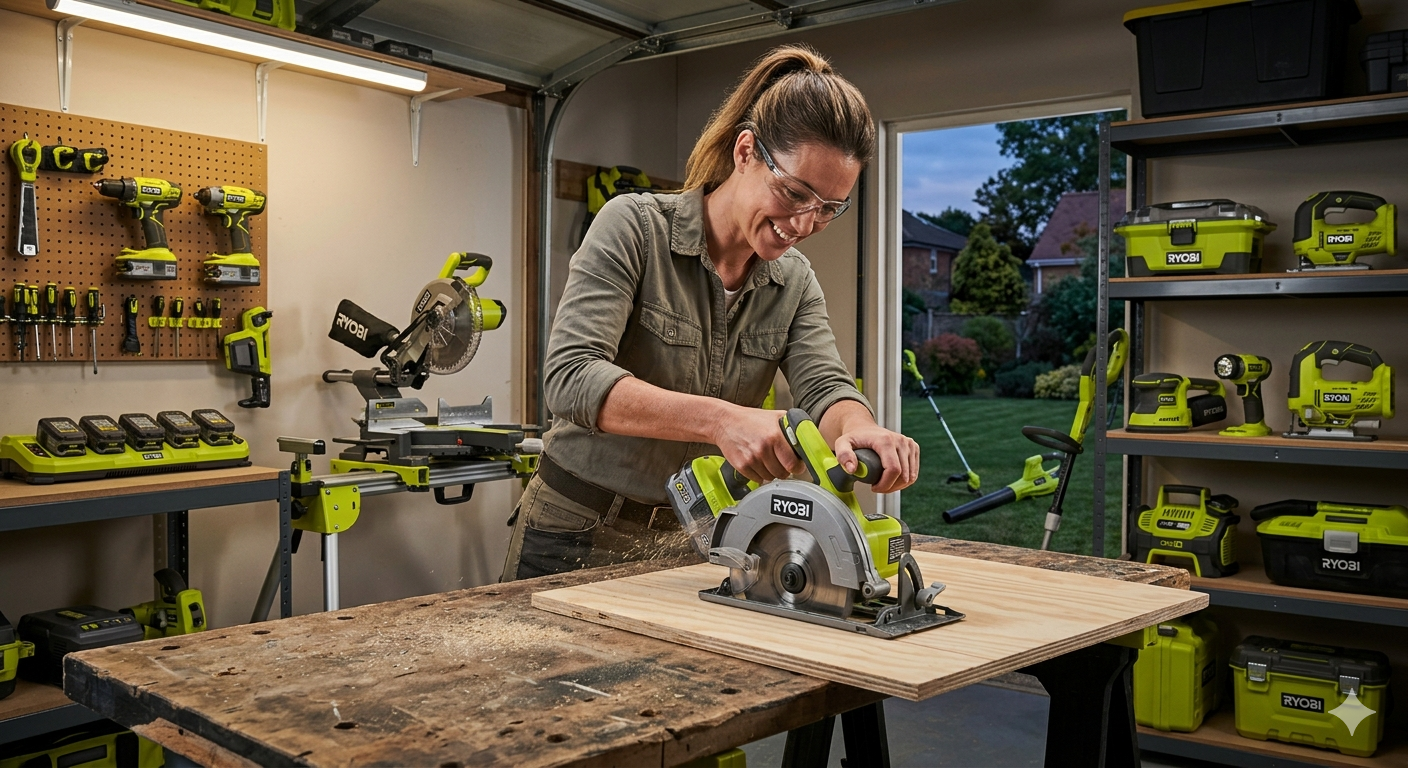
The Complete Guide to Ryobi Tools: Affordable Innovation for DIYers and Homeowners
Introduction
Ryobi has become one of the most recognizable and accessible tool brands in the world, especially among homeowners, DIY enthusiasts, hobbyists, and casual contractors. Known for its bright green tools, affordable pricing, and enormous cordless ecosystem, Ryobi has built a strong reputation by offering practical solutions for everyday projects without the premium pricing associated with professional contractor brands.
Over the years, Ryobi has evolved from a manufacturer of small industrial products into one of the leading names in cordless power tools and outdoor equipment. The brand is especially popular among users who want versatility, convenience, and value. One of Ryobi’s biggest strengths is its battery compatibility system, allowing users to power hundreds of tools with the same battery platform.
Today, Ryobi produces:
-
Cordless power tools
-
Outdoor power equipment
-
Hand tools
-
Cleaning equipment
-
Storage systems
-
Automotive tools
-
Workshop accessories
-
Lifestyle products
-
Specialty DIY tools
Whether you are assembling furniture, maintaining your lawn, building a workshop, or tackling home renovations, Ryobi offers products designed to make projects easier and more affordable.
This complete guide explores Ryobi’s history, major product categories, cordless systems, strengths, weaknesses, comparisons with competitors, and why the brand continues to dominate the DIY market.
The History of Ryobi
Ryobi was founded in Japan in 1943 as a manufacturer of die-cast products. Over time, the company expanded into power tools and eventually became a globally recognized consumer tool brand.
Ryobi’s international growth accelerated through partnerships and licensing agreements that brought the brand into North American and European markets. In the United States, Ryobi became especially popular through retail partnerships that made the tools widely accessible to homeowners and DIY users.
One of the company’s most important innovations was the introduction of the ONE+ battery system, which dramatically simplified cordless tool ownership by allowing multiple tools to share the same battery platform.
Over the decades, Ryobi shifted its primary focus toward:
-
DIY consumers
-
Homeowners
-
Hobbyists
-
Entry-level tool users
Instead of competing directly with heavy-duty industrial brands, Ryobi focused on affordability, convenience, and broad product variety.
Today, Ryobi is considered one of the largest consumer-focused cordless tool brands in the world.
Why Ryobi Is So Popular
Several key factors explain Ryobi’s massive popularity.
1. Affordable Pricing
Ryobi tools are generally less expensive than professional-grade brands, making them attractive to homeowners and first-time buyers.
2. Huge Cordless Ecosystem
One of Ryobi’s biggest strengths is the enormous ONE+ platform, which powers hundreds of tools using compatible batteries.
3. Beginner-Friendly Products
Ryobi tools are designed to be approachable and easy to use, even for people with limited experience.
4. Wide Product Selection
Ryobi offers far more than traditional power tools. The company produces unusual and niche products that appeal to homeowners and hobbyists.
5. Strong Retail Availability
The brand is widely available through major retailers and online marketplaces, making it easy to find tools, batteries, and accessories.
Ryobi’s Main Product Categories
Ryobi’s product lineup extends far beyond drills and saws.
Cordless Power Tools
This is the brand’s core category.
Popular tools include:
-
Drills
-
Impact drivers
-
Circular saws
-
Jigsaws
-
Sanders
-
Oscillating tools
-
Grinders
-
Nailers
-
Rotary tools
Most products are designed for home projects and moderate-duty applications.
Outdoor Power Equipment
Ryobi has aggressively expanded into battery-powered lawn and garden equipment.
Popular products include:
-
Lawn mowers
-
String trimmers
-
Leaf blowers
-
Chainsaws
-
Hedge trimmers
-
Pressure washers
Cordless outdoor equipment has become one of the brand’s fastest-growing categories.
Cleaning Equipment
Ryobi offers several cleaning-focused products, including:
-
Wet/dry vacuums
-
Pressure washers
-
Handheld scrubbers
-
Portable fans
-
Mist systems
These products appeal strongly to homeowners.
Specialty DIY Tools
Ryobi is known for producing unusual niche tools that many competitors ignore.
Examples include:
-
Glue guns
-
Soldering tools
-
Inflators
-
Craft tools
-
Compact cutters
-
Power scrubbers
This broad selection helps users stay within one battery ecosystem.
Storage and Workshop Accessories
The company also manufactures:
-
Tool storage
-
Organizers
-
Workbenches
-
Lighting
-
Shop accessories
Understanding the Ryobi ONE+ Battery System
The ONE+ platform is Ryobi’s most important innovation.
What Is ONE+?
ONE+ is a cordless battery system that allows users to power a massive range of tools using the same battery design.
One battery platform supports:
-
Power tools
-
Outdoor equipment
-
Cleaning tools
-
Hobby products
-
Workshop devices
This compatibility helps reduce costs and clutter.
Benefits of ONE+
Long-Term Compatibility
Ryobi has maintained impressive backward compatibility for years, meaning newer batteries often work with older tools.
Lower Ownership Costs
Users can purchase bare tools without additional batteries and chargers.
Easy Expansion
Once users buy into the ecosystem, expanding tool collections becomes more affordable.
Convenience
Using one battery platform simplifies charging and storage.
Ryobi HP Brushless Technology
Ryobi’s HP lineup represents its higher-performance cordless tools.
These products feature:
-
Brushless motors
-
Advanced electronics
-
Improved efficiency
Benefits include:
-
Longer runtime
-
More power
-
Reduced heat
-
Better durability
HP tools are ideal for users handling larger projects or more frequent workloads.
Best Ryobi Tools for Different Users
Best for Homeowners
Ryobi is especially strong for homeowners.
Recommended products:
-
Drill and driver kits
-
Cordless blowers
-
String trimmers
-
Circular saws
-
Multi-tools
These tools are ideal for routine maintenance and repairs.
Best for DIY Enthusiasts
DIY users benefit from Ryobi’s huge ecosystem.
Popular options include:
-
Nail guns
-
Sanders
-
Glue guns
-
Rotary tools
-
Shop vacuums
Best for Apartment and Small-Space Users
Ryobi’s compact cordless lineup works well in limited spaces.
Recommended products:
-
Compact drills
-
Inflators
-
Hand vacuums
-
Compact fans
Best for Outdoor Maintenance
Ryobi outdoor equipment is popular for residential yard work.
Good options include:
-
Battery lawn mowers
-
Hedge trimmers
-
Blowers
-
Chainsaws
Cordless outdoor tools reduce maintenance compared to gas-powered equipment.
Ryobi vs Other Tool Brands
Ryobi vs Milwaukee
Both brands are connected through parent company ownership but target different users.
Ryobi Strengths
-
Lower pricing
-
Better for casual users
-
More niche tools
-
Larger homeowner ecosystem
Milwaukee Strengths
-
Professional durability
-
Heavy-duty performance
-
Advanced trade-specific solutions
Ryobi vs DeWalt
Ryobi Advantages
-
More affordable
-
Better beginner accessibility
-
Huge lifestyle product ecosystem
DeWalt Advantages
-
Better construction durability
-
More professional-grade tools
-
Higher-performance cordless systems
Ryobi vs Craftsman
Ryobi Advantages
-
Larger cordless ecosystem
-
More specialty products
-
Strong outdoor lineup
Craftsman Advantages
-
Strong hand tool reputation
-
Familiar legacy branding
-
Better automotive focus
Why DIY Users Love Ryobi
Ryobi’s popularity among DIY users comes from its practicality.
Key reasons include:
-
Easy battery compatibility
-
Affordable prices
-
Huge product variety
-
Beginner-friendly design
-
Frequent product innovation
Many users enjoy being able to buy tools gradually without investing heavily upfront.
The ecosystem approach also makes Ryobi attractive for users who enjoy trying new tools and expanding their workshops over time.
Outdoor Equipment Expansion
Ryobi has become a major player in battery-powered outdoor equipment.
Benefits of cordless outdoor tools include:
-
Lower maintenance
-
Reduced noise
-
No gasoline
-
Easier storage
-
Instant startup
For homeowners with small and medium-sized yards, battery tools are often sufficient for routine maintenance.
Ryobi’s outdoor lineup continues expanding rapidly.
Ryobi Storage and Organization Systems
Tool organization has become increasingly important for homeowners and DIY users.
Ryobi offers:
-
Toolboxes
-
Storage organizers
-
Modular storage
-
Shelving systems
-
Workshop accessories
These systems help users keep garages and workshops organized.
Smart Technology and Innovation
Ryobi continues introducing new technology into its products.
Recent trends include:
-
Brushless motors
-
Improved battery efficiency
-
Smart charging systems
-
Enhanced ergonomics
-
Compact designs
The company often focuses on convenience-driven innovation rather than industrial performance.
Common Criticisms of Ryobi Tools
Although Ryobi is highly popular, the brand does face criticism.
1. Not Primarily Professional Grade
Heavy industrial users may prefer more rugged contractor-focused brands.
2. Durability Limitations
Some users report that Ryobi tools may not hold up as well under constant commercial use.
3. Plastic Construction
Many Ryobi products use lighter materials to reduce costs and weight.
4. Performance Ceiling
While newer HP tools are impressive, some high-demand applications still favor premium brands.
Despite these criticisms, many users believe Ryobi provides excellent value for the price.
Is Ryobi Good for Professionals?
Ryobi is mainly designed for:
-
Homeowners
-
DIY users
-
Hobbyists
-
Light contractors
However, some professionals still use Ryobi tools for:
-
Secondary tool setups
-
Home service work
-
Occasional projects
-
Specialized niche tools
For daily industrial use, many contractors prefer brands focused specifically on heavy-duty professional workloads.
How to Choose the Right Ryobi Tools
Step 1: Identify Your Needs
Consider:
-
Home repairs
-
Woodworking
-
Lawn maintenance
-
Automotive work
-
Hobby projects
Step 2: Start With ONE+
Investing in the ONE+ battery platform provides long-term flexibility.
Step 3: Buy Core Tools First
Recommended starter tools:
-
Drill
-
Impact driver
-
Circular saw
-
Work light
-
Blower
Step 4: Expand Gradually
Ryobi’s ecosystem makes gradual expansion affordable.
Step 5: Consider HP Brushless Tools
Users handling larger projects may benefit from the higher-performance HP lineup.
Maintenance Tips for Ryobi Tools
Proper care helps maximize tool lifespan.
Keep Tools Clean
Dust and debris can damage motors and moving parts.
Store Batteries Properly
Avoid:
-
Excessive heat
-
Moisture
-
Long-term full discharge
Inspect Accessories
Replace damaged blades and bits promptly.
Use Correct Chargers
Using compatible chargers improves battery health and safety.
Ryobi and Sustainability
Battery-powered equipment may reduce emissions compared to gas-powered alternatives in residential applications.
Ryobi continues investing in:
-
Cordless technology
-
Energy-efficient tools
-
Reduced fuel dependence
-
Improved battery systems
The growing popularity of battery lawn equipment reflects changing consumer preferences toward quieter and cleaner solutions.
The Future of Ryobi
Ryobi’s future appears strongly connected to:
-
Cordless innovation
-
Smart home integration
-
Outdoor battery equipment
-
Lifestyle-focused tools
-
Expanded DIY ecosystems
As battery technology improves, Ryobi will likely continue replacing gas-powered and corded products with cordless alternatives.
The company’s focus on accessibility and convenience positions it well for continued growth among homeowners and hobbyists.
Frequently Asked Questions About Ryobi
Are Ryobi tools good quality?
For homeowners and DIY users, yes. Ryobi offers solid performance at affordable prices.
Are Ryobi batteries interchangeable?
Most ONE+ batteries work across compatible ONE+ tools.
Is Ryobi good for beginners?
Yes. Ryobi is considered one of the most beginner-friendly tool brands.
Are Ryobi tools professional grade?
Ryobi primarily targets consumer and DIY markets rather than heavy industrial applications.
What is Ryobi HP?
HP refers to Ryobi’s higher-performance brushless tool lineup.
Final Thoughts
Ryobi has become one of the most successful DIY-focused tool brands in the world by delivering affordability, convenience, and an enormous cordless ecosystem.
Its biggest strengths include:
-
Affordable pricing
-
Huge ONE+ platform
-
Wide product variety
-
Beginner-friendly design
-
Strong outdoor equipment lineup
Although Ryobi may not fully compete with elite contractor-focused brands in heavy industrial environments, it continues offering excellent value for homeowners, hobbyists, and casual users.
The ability to power hundreds of tools using a single battery platform makes Ryobi especially attractive for users building workshops over time.
Whether you are starting your first DIY project, maintaining your yard, or upgrading your garage workspace, Ryobi offers one of the most accessible and versatile ecosystems available in the modern tool industry today.