
Stanley
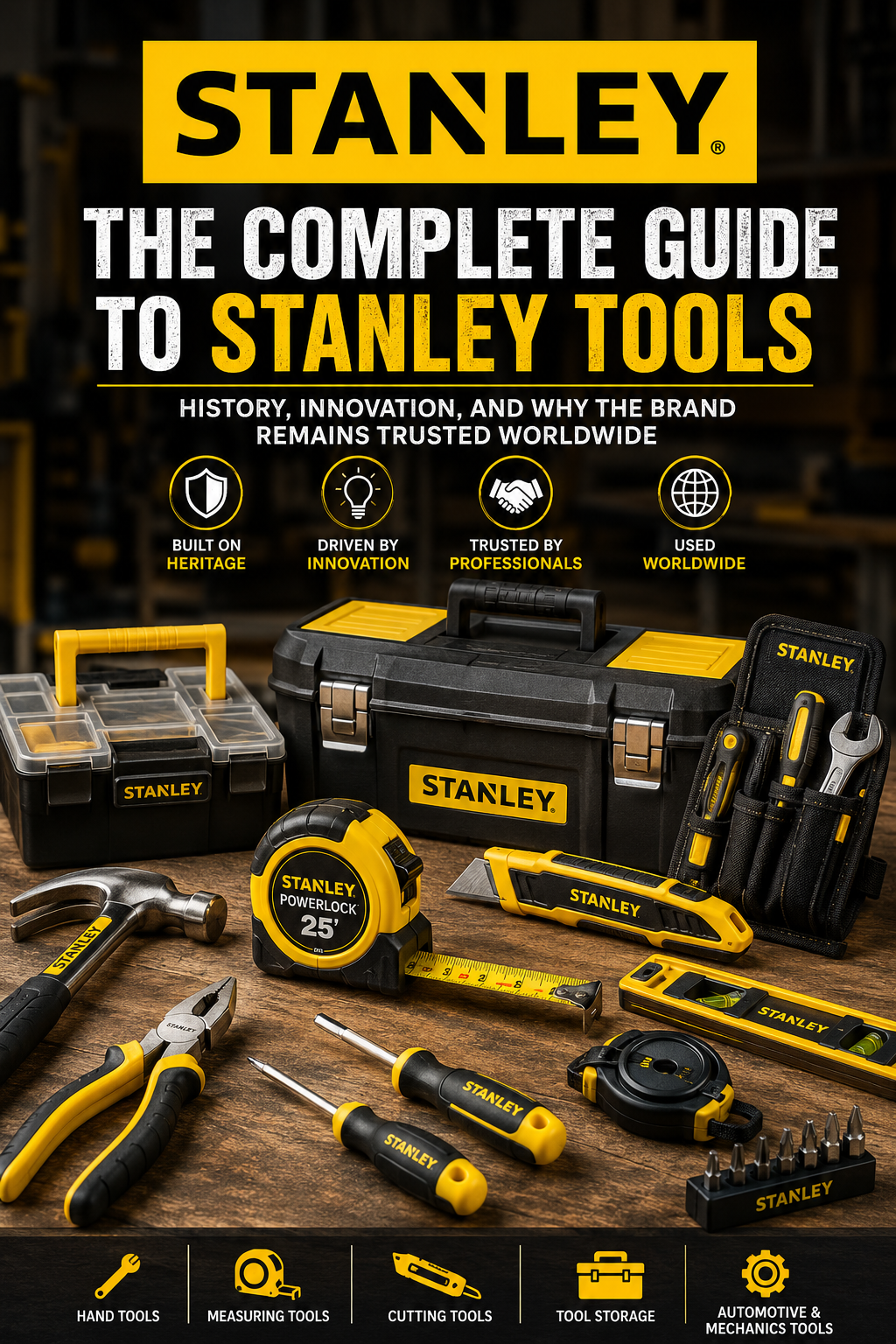
The Complete Guide to Stanley Tools: History, Innovation, and Why the Brand Remains Trusted Worldwide
Introduction
Stanley is one of the oldest and most recognizable names in the tool industry. For generations, the brand has been associated with durability, practicality, and professional craftsmanship. From tape measures and utility knives to hand tools, storage systems, and construction equipment, Stanley products are found in workshops, garages, factories, and jobsites around the world.
Unlike brands focused entirely on power tools, Stanley has built its reputation primarily through reliable hand tools and jobsite essentials. The company’s products are widely used by carpenters, mechanics, electricians, contractors, maintenance professionals, and homeowners alike.
Over nearly two centuries, Stanley has evolved from a small hardware manufacturer into a global industrial powerhouse. Today, the company is part of Stanley Black & Decker, one of the largest tool and industrial companies in the world.
Stanley’s product lineup now includes:
-
Hand tools
-
Measuring tools
-
Cutting tools
-
Tool storage systems
-
Automotive tools
-
Mechanics tools
-
Construction equipment
-
Fastening systems
-
Outdoor equipment
-
Jobsite accessories
This complete guide explores Stanley’s history, major product categories, strengths, weaknesses, innovations, and why the brand continues to play an important role in the modern tool industry.
The History of Stanley Tools
Stanley’s history dates back to 1843 when Frederick Trent Stanley founded a small bolt and hardware manufacturing company in Connecticut, USA.
In the decades that followed, Stanley became known for producing:
-
Hinges
-
Bolts
-
Hardware
-
Measuring tools
-
Hand planes
-
Carpenter tools
As industrialization expanded throughout the 19th and 20th centuries, Stanley grew rapidly by focusing on practical, high-quality tools for professionals and tradespeople.
One of the company’s biggest breakthroughs was the development of the Bailey hand plane system, which became highly influential in woodworking. Stanley hand planes remain respected among woodworkers and collectors even today.
Throughout the 20th century, Stanley expanded internationally and became a dominant name in:
-
Construction tools
-
Carpentry equipment
-
Measuring products
-
Jobsite accessories
In 2010, Stanley merged with Black & Decker, creating Stanley Black & Decker, now one of the largest tool manufacturers globally.
Today, Stanley products are sold in countries worldwide and remain widely recognized for reliability and accessibility.
Why Stanley Became So Popular
Several factors contributed to Stanley’s long-term success.
1. Reliability
Stanley tools developed a reputation for dependable performance in both professional and household settings.
2. Accessibility
The brand became widely available across hardware stores, construction suppliers, and retail chains.
3. Affordable Practicality
Stanley products often balance affordability with durability, making them attractive to both professionals and homeowners.
4. Strong Measuring Tool Reputation
Stanley tape measures and layout tools became industry standards in many trades.
5. Long History and Trust
Few tool brands have Stanley’s historical legacy, giving the company strong brand recognition worldwide.
Stanley’s Main Product Categories
Stanley produces a broad range of tools and jobsite equipment.
Hand Tools
Hand tools remain Stanley’s core category.
Popular products include:
-
Screwdrivers
-
Hammers
-
Pliers
-
Wrenches
-
Chisels
-
Clamps
-
Sockets
-
Ratchets
These tools are used in construction, automotive repair, woodworking, and general maintenance.
Measuring Tools
Stanley is especially famous for measuring products.
Popular items include:
-
Tape measures
-
Laser levels
-
Chalk lines
-
Squares
-
Layout tools
Many professionals trust Stanley measuring tools for daily jobsite use.
Cutting Tools
Stanley utility knives are among the most recognizable tools in the world.
The company also manufactures:
-
Snips
-
Saws
-
Blades
-
Scrapers
-
Specialty cutters
Stanley knives are especially popular in construction and warehouse environments.
Tool Storage
Stanley offers various storage and organization products such as:
-
Toolboxes
-
Rolling storage
-
Organizers
-
Tool bags
-
Cabinets
These products help users transport and protect tools efficiently.
Mechanics and Automotive Tools
Stanley also produces automotive-focused products including:
-
Socket sets
-
Ratchets
-
Torque tools
-
Mechanics tool kits
These are commonly used by DIY mechanics and repair technicians.
Stanley Tape Measures: A Global Standard
Few products are more closely associated with Stanley than tape measures.
The company’s tape measures are known for:
-
Durability
-
Accuracy
-
Easy readability
-
Jobsite reliability
Popular features include:
-
Blade armor coating
-
Magnetic hooks
-
Long standout reach
-
Ergonomic grip designs
Stanley tape measures are widely used in:
-
Carpentry
-
Construction
-
Framing
-
Electrical work
-
Interior installation
For many professionals, a Stanley tape measure is considered an essential daily tool.
Stanley Utility Knives and Cutting Tools
Stanley utility knives became iconic due to their simplicity and effectiveness.
Advantages include:
-
Replaceable blades
-
Durable construction
-
Comfortable grip
-
Easy blade changes
These knives are widely used for:
-
Construction
-
Packaging
-
Flooring
-
Drywall
-
Warehouse work
Stanley continues improving cutting tool ergonomics and safety systems.
Stanley Hand Planes and Woodworking Legacy
Stanley has deep roots in woodworking.
Its classic hand planes remain respected among:
-
Furniture makers
-
Cabinet builders
-
Traditional woodworkers
-
Tool collectors
Vintage Stanley hand planes are still highly sought after because of their craftsmanship and historical significance.
Even in modern woodworking shops filled with power tools, Stanley hand planes continue holding cultural and practical importance.
Stanley vs Other Tool Brands
Stanley vs DeWalt
Both brands belong to Stanley Black & Decker but target different users.
Stanley Strengths
-
Better hand tool accessibility
-
Affordable pricing
-
Strong measuring tools
-
Everyday practicality
DeWalt Strengths
-
Professional cordless systems
-
Heavy-duty construction tools
-
Advanced power tool technology
Stanley vs Craftsman
Stanley Advantages
-
Strong measuring tool reputation
-
Broader industrial presence
-
Longer international history
Craftsman Advantages
-
Strong garage culture identity
-
Better homeowner mechanic focus
-
Popular tool storage systems
Stanley vs Milwaukee
Stanley Advantages
-
Lower pricing
-
Better casual-user accessibility
-
Strong hand tool heritage
Milwaukee Advantages
-
Professional cordless innovation
-
Trade-specific tools
-
Advanced smart technology
Stanley for Professionals
Although Stanley is heavily associated with general consumers, many professionals rely on Stanley products daily.
Common professional users include:
-
Carpenters
-
Electricians
-
Contractors
-
Warehouse workers
-
Maintenance crews
-
Installers
Professionals especially value Stanley for:
-
Measuring tools
-
Utility knives
-
Hand tools
-
Tool storage
Stanley products often serve as dependable everyday essentials on jobsites.
Stanley for DIY Users and Homeowners
Stanley is also highly popular among homeowners because the tools are:
-
Affordable
-
Easy to use
-
Widely available
-
Reliable for household projects
Typical DIY uses include:
-
Furniture assembly
-
Home repairs
-
Garage maintenance
-
Basic woodworking
-
Landscaping projects
The brand’s accessibility makes it attractive for beginners building their first toolkits.
Tool Storage and Organization
Stanley offers multiple storage solutions designed for portability and organization.
Popular storage products include:
-
Plastic toolboxes
-
Metal tool chests
-
Rolling organizers
-
Modular storage systems
-
Soft-sided tool bags
Good organization helps improve productivity and tool protection.
Innovation and Modern Technology
Although Stanley is often associated with traditional hand tools, the company continues modernizing its product lineup.
Recent innovations include:
-
Improved ergonomic designs
-
Digital measuring tools
-
Enhanced blade technology
-
Better storage systems
-
Jobsite safety improvements
Stanley continues balancing traditional reliability with modern manufacturing advancements.
Common Criticisms of Stanley Tools
Despite its strong reputation, Stanley does face some criticism.
1. Mid-Range Quality Perception
Some professionals consider Stanley more consumer-focused compared to premium industrial brands.
2. Less Power Tool Dominance
Stanley is not as dominant in cordless power tools as brands like Milwaukee or DeWalt.
3. Product Variation
Quality can vary across different product categories and manufacturing locations.
4. Competitive Market Pressure
The hand tool market has become highly competitive with many newer brands entering the industry.
Despite these concerns, Stanley remains highly respected for core hand tools and measuring products.
Is Stanley Good for Professional Work?
Yes, particularly in:
-
Carpentry
-
Construction
-
Maintenance
-
General contracting
-
Measuring applications
However, professionals performing heavy industrial or specialized trade work may supplement Stanley tools with higher-end specialty brands.
How to Choose the Right Stanley Tools
Step 1: Identify Your Projects
Consider whether you need tools for:
-
Home repairs
-
Construction
-
Woodworking
-
Automotive work
-
Professional trade work
Step 2: Start With Essentials
Recommended starter tools:
-
Tape measure
-
Utility knife
-
Hammer
-
Screwdriver set
-
Adjustable wrench
Step 3: Invest in Storage
Proper storage improves organization and tool lifespan.
Step 4: Choose Quality Accessories
Good blades, bits, and measuring tools improve accuracy and productivity.
Maintenance Tips for Stanley Tools
Proper maintenance helps extend tool life.
Keep Tools Clean
Dust, dirt, and moisture can damage tools over time.
Store Tools Properly
Avoid leaving tools exposed to:
-
Rain
-
Extreme temperatures
-
Humidity
Inspect Blades and Cutting Tools
Replace worn blades regularly for safety and efficiency.
Lubricate Moving Parts
Ratchets, pliers, and adjustable tools benefit from occasional lubrication.
Stanley and Jobsite Safety
Safety remains an important focus in modern Stanley products.
Features often include:
-
Ergonomic grips
-
Anti-slip materials
-
Blade-lock systems
-
Improved visibility markings
-
Safer cutting mechanisms
Jobsite safety improvements help reduce injuries and improve productivity.
Stanley’s Role in Global Construction and Industry
Stanley tools are used worldwide across:
-
Construction
-
Manufacturing
-
Warehousing
-
Maintenance
-
Home improvement
The company’s products are often valued for being practical and dependable rather than overly specialized.
This broad appeal helps Stanley remain relevant across many industries and skill levels.
The Future of Stanley Tools
Stanley’s future likely includes continued focus on:
-
Ergonomic improvements
-
Smart measuring technology
-
Better storage systems
-
Enhanced durability
-
Sustainability initiatives
As digital tools and connected jobsites become more common, Stanley may continue integrating technology into measuring and productivity solutions.
However, the brand’s core identity will likely remain rooted in practical hand tools and everyday reliability.
Frequently Asked Questions About Stanley Tools
Are Stanley tools good quality?
For most users, yes. Stanley tools offer dependable mid-range quality suitable for professional and household use.
Is Stanley a professional brand?
Stanley products are widely used by professionals, especially measuring and hand tools.
Are Stanley and DeWalt related?
Yes. Both brands are owned by Stanley Black & Decker.
Are Stanley tape measures reliable?
Stanley tape measures are considered among the most trusted and widely used in the industry.
Are Stanley tools made in the USA?
Some products are manufactured domestically, while many are produced internationally.
Final Thoughts
Stanley remains one of the most historically important and globally recognized names in the tool industry. Its long-standing reputation for reliability, practicality, and accessibility has helped generations of professionals and homeowners complete projects efficiently.
The brand’s biggest strengths include:
-
Excellent measuring tools
-
Trusted hand tools
-
Affordable pricing
-
Strong historical legacy
-
Wide product availability
Although Stanley may not dominate the premium cordless power tool market, it continues excelling in the areas that built its reputation: dependable hand tools, cutting tools, and jobsite essentials.
Whether you are a contractor measuring framing layouts, a mechanic organizing a garage, a woodworker using hand planes, or a homeowner handling everyday repairs, Stanley tools continue providing practical solutions backed by nearly two centuries of manufacturing history.
For many users around the world, Stanley remains a symbol of dependable craftsmanship and everyday functionality in the modern tool industry.